

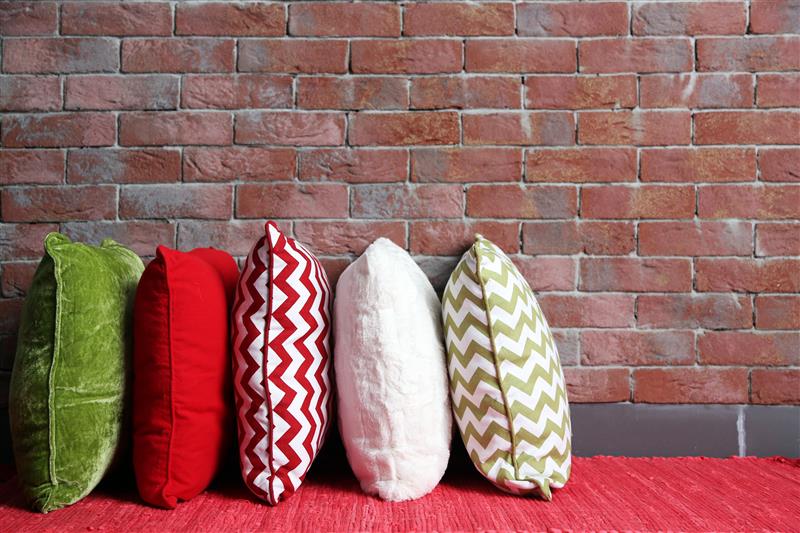
Over time, even the most comfortable cushions can lose their firmness, leading to saggy, unsupportive seating. Restoring your cushions not only enhances comfort but also prolongs the life of your furniture.
In this guide, J A Milton will walk you through effective ways to firm up your cushions, with tips on using high-quality materials like fluffy polyester, as well as other useful maintenance strategies.
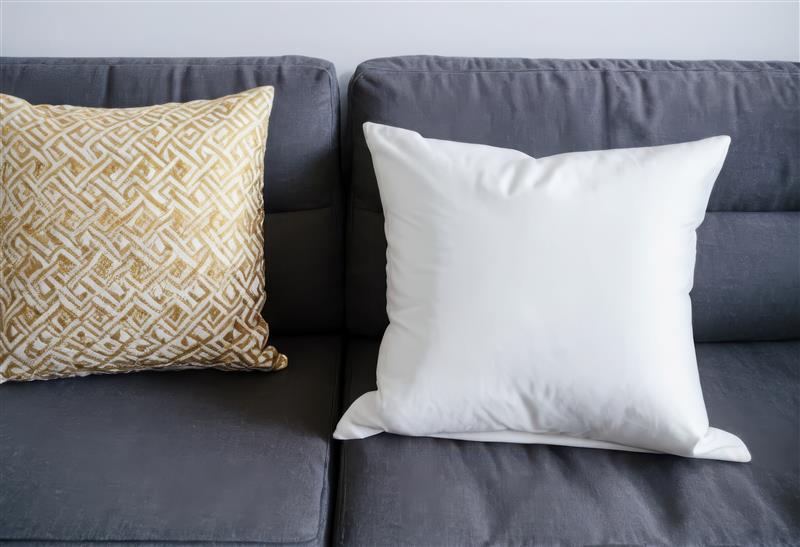
1. Rotate and Flip Regularly
One of the simplest ways to maintain cushion firmness is to rotate and flip them regularly. This prevents specific areas from becoming overly compressed, which can lead to uneven wear.
How to Do It:
- Rotate seat cushions every few weeks to distribute pressure evenly.
- Flip cushions over to prevent one side from flattening more than the other.
This habit not only keeps cushions firmer but also helps retain their shape.
2. Add Supportive Foam Inserts
Replacing or enhancing the foam inside your cushions is one of the most effective ways to restore firmness.
Steps to Add Foam Inserts:
- Measure Your Cushions: Remove the covers and measure the length, width, and height of the foam.
- Choose High-Density Foam: Opt for foam with a density of at least 2.5 lbs per cubic foot for long-lasting firmness and support.
- Cut the Foam to Size: Use a sharp blade or electric knife to cut the foam to match your cushion dimensions.
- Wrap with Batting: Wrap the foam with fluffy polyester batting to create a smooth, plush finish and prevent the foam from shifting.
- Reassemble: Place the new foam and batting back into the cushion cover, ensuring a snug fit.
Using high-quality foam and batting is key to achieving a firmer yet comfortable cushion that lasts for years.
3. Refill with Fluffy Polyester Fiberfill
For cushions that have lost their plumpness but don’t need a complete foam replacement, refilling with fluffy polyester fiberfill can do wonders. This material is soft yet supportive and can restore the cushion’s volume and comfort.
Steps to Refill with Fiberfill:
- Unzip the Cushion Cover: Access the interior filling of the cushion.
- Add Fiberfill: Use high-loft, fluffy polyester fiberfill and stuff it into areas that have flattened.
- Distribute Evenly: Massage and adjust the fiberfill to ensure even distribution throughout the cushion.
- Close the Cover: Zip up the cushion and fluff it by hand to finalize the process.
Pro Tip: Use high-quality fiberfill to ensure a durable, full look. Lower-quality fiberfill tends to flatten out quickly.
4. Use Plywood or Particleboard Supports
If your cushions are sagging due to a lack of support from the furniture frame, adding a solid base beneath them can help maintain firmness.
How to Add Support:
- Measure the Seating Area: Measure the dimensions of the furniture frame under the cushions.
- Cut Plywood or Particleboard: Cut a piece of wood to fit the seating area.
- Install the Support: Place the board under the cushions for a firm foundation.
This solution is ideal for sofas and chairs with worn-out or sagging frames.
5. Replace the Cushion Filling Entirely
If your cushions are beyond saving with minor fixes, it might be time to replace the filling altogether. A combination of high-density foam and fluffy polyester batting is an excellent option for achieving a firm yet plush feel.
Best Materials for Replacement:
- High-Density Foam: Provides structure and support.
- Fluffy Polyester Batting: Adds softness and ensures a snug fit inside the cushion cover.
You can find these materials at upholstery supply stores or online, including at Upholstery warehouse
6. Maintenance Tips to Keep Cushions Firm
Implementing regular maintenance can prevent cushions from losing their firmness in the first place.
- Fluff Daily: Gently pat and squeeze cushions to redistribute the filling and maintain shape.
- Protect from Sunlight: Direct exposure to sunlight can degrade foam and fabric, causing cushions to lose their firmness over time. Use curtains or protective covers to block UV rays.
- Address Spills Immediately: Moisture can seep into the cushion filling and compromise its integrity. Blot spills right away to prevent long-term damage.
- Vacuum Regularly: Use a vacuum cleaner with an upholstery attachment to remove dust and debris that can compress the filling.
Additional Tips for Cushion Longevity
- Use Zippered Cushion Covers: Removable covers make it easier to replace foam or batting when needed.
- Choose Quality Materials from the Start: Investing in high-quality cushions ensures better durability and comfort. Explore Quality Materials here.
- Layer Your Fillings: Combining foam with batting or fiberfill can create the perfect balance of firmness and softness.
When to Call a Professional
If DIY methods don’t restore your cushions to your desired firmness, it may be time to consult a professional upholsterer. Experts can assess the condition of your furniture and provide tailored solutions, such as frame reinforcement or cushion rebuilding.
Final Thoughts
Firming up cushions doesn’t have to be complicated. Whether you’re adding foam inserts, refilling with fluffy polyester fiberfill, or reinforcing the frame with plywood, these solutions can breathe new life into your furniture. Regular maintenance will ensure your cushions remain comfortable and supportive for years to come.
At J A Milton, we provide everything you need to restore and maintain your cushions, from high-quality foam and polyester batting to expert advice. With over 30 years of experience in upholstery, we’re your trusted partner for all your furniture needs.
Visit J A Milton today to explore our range of premium materials and tools to firm up your cushions and extend the life of your furniture. Let us help you achieve the comfort and quality you deserve!
